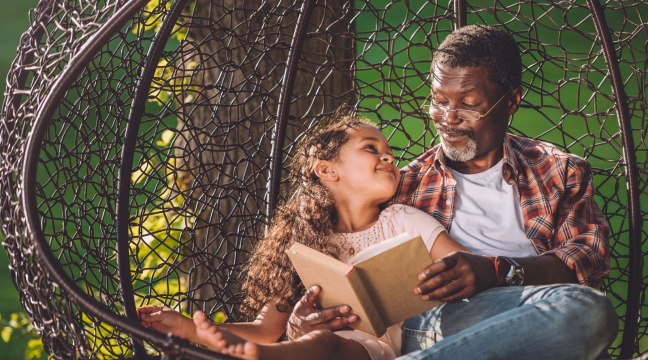
What is a “living book”? English education reformer Charlotte Mason introduced this term for any book that brings the reader directly into contact with the major ideas that have fascinated humans across the ages.
We know that reading aloud helps build our children’s love for books. But did you know it works for math as well?
And that it can transform the parent’s attitude as well as the child’s?
A playful math book fleshes out the bones of abstract math,
brings it alive,
makes it human, relatable,
interesting to readers of all ages,
opening our eyes to the wonderful world of big ideas,
where concepts meet and topics intertwine
in a beautifully intricate dance
of understanding.
We live in an age of abundance, with more new creative math books being published every year, so many that I can’t keep track of them all, not to mention the older classics, some out of print, that can still be found in public libraries.
Here are a few of my favorite books of playful, living math, both old and new:
Books For Younger Children
- Anno’s Magic Seeds and other books by Mitsumasa Anno play with big math topics, making them accessible through pictures.
- Christopher Danielson’s books How Many? and Which One Doesn’t Belong? expand our thinking about counting and shapes.
For elementary students
- The Cat in Numberland explores the idea of infinity through the metaphor of a grand hotel.
- Math and Magic in Wonderland brings whimsy to a great collection of classic math and logic puzzles.
For older students
- What Is the Name of This Book? and other puzzle books by Raymond Smullyan pose delightful questions that lead to deep thinking.
- Math Games with Bad Drawing prompts creative thinking about numbers, shapes, and patterns.
For adults
- Mathematician’s Delight by W. W. Sawyer surveys math topics from arithmetic to calculus with clear explanations and a playful attitude.
- Playing with Math: Stories from Math Circles, Homeschoolers, and Passionate Teachers, edited by Sue VanHattum, opens our minds to new ways of thinking about learning math.
Find more living books for math
Visit the extensive Living Math booklists maintained by Julie Brennan. (Hit the “3-line hamburger” menu symbol to see all the topics.) And be sure to browse her articles on education and homeschooling.
Or check out the Math with Living Books pages on my blog. One of these days, I need to update those posts to include all the new books that keep coming out.
“I know you may bring a horse to the water, but you cannot make him drink. What I complain of is that we do not bring our horse to the water. We give him miserable little textbooks, mere compendiums of facts, which he is to learn off and say and produce at an examination; or we give him various knowledge in the form of warm diluents, prepared by his teacher with perhaps some grain of living thought to the gallon. And all the time we have books, books teeming with ideas fresh from the minds of thinkers upon every subject to which we can wish to introduce children.”
—Charlotte Mason,
Schoolbooks and How They Make for Education
* * *
I’d love to hear about your favorite math books! Please share in the comments, so we can all enjoy them.
This blog is reader-supported.
If you’d like to help fund the blog on an on-going basis, then please join me on Patreon for mathy inspiration, tips, and an ever-growing archive of printable activities.
If you liked this post, and want to show your one-time appreciation, the place to do that is PayPal: paypal.me/DeniseGaskinsMath. If you go that route, please include your email address in the notes section, so I can say thank you.
Which I am going to say right now. Thank you!
“Living Books for Math,” copyright ©
2023 by Denise Gaskins. Image at the top of the post copyright © Depositphotos/alebloshka. Denise Gaskins' Let's Play Math