Mental Math: Three Basic Principles

Doing mental math on the couch

“We know that algorithms are amazing human achievements, but they are not good teaching tools because mimicking step-by-step procedures can actually trap students into using less sophisticated reasoning than the problems are intended to develop.”

— Pam Harris, Math Is Figure-Out-Able Podcast

Whether you work with a math curriculum or take a less-traditional route to learning, do not be satisfied with mere pencil-and-paper competence. Instead, work on building your children’s mental math skills, because mental calculation forces a child to understand arithmetic at a much deeper level than is required by traditional pencil-and-paper methods.

Traditional algorithms (the math most of us learned in school) rely on memorizing and rigidly following the same set of rules for every problem, repeatedly applying the basic, single-digit math facts. Computers excel at this sort of step-by-step procedure, but children struggle with memory lapses and careless errors.

Mental math, on the other hand, relies on a child’s own creative mind to consider how numbers interact with each other in many ways. It teaches students the true 3R’s of math: to Recognize and Reason about the Relationships between numbers.

The techniques that let us work with numbers in our heads reflect the fundamental properties of arithmetic. These principles are also fundamental to algebra, which explains why flexibility and confidence in mental math is one of the best predictors of success in high school math and beyond.

Your textbook may explain these properties in technical terms, but don’t be intimidated by the jargon. These are just common-sense rules for playing with numbers.

Continue reading Mental Math: Three Basic Principles

Musings: Mathematical Beauty

photo of child making footprints on the beach

Memories…

We were eclectic homeschoolers back in the Dark Ages before there was an internet. Our primary curriculum was the public library.

As we went along, I noticed how many of our homeschooling friends felt uncomfortable with math, and even hated or feared the subject.

Math anxiety runs rampant in Western culture. By one researcher’s estimate, more than 90% of adults experience some level of math anxiety — that is, discomfort, avoidance, and even emotional pain when faced with a math calculation.

So I became a sort of “math evangelist” in the homeschooling community, spreading the news that we can find beauty and fun even in math.

Continue reading Musings: Mathematical Beauty

ALL Mathy Merchandise on Sale Now

Cool Cats Play Math T-shirt

April has been a crazy month here at my little one-person business, which means promotion fell through the cracks.

I try to run a sale on something every month, to give you a reason to drop by my Playful Math Store. And I’m supposed to post blogs and social media about the discount, so nobody misses saving money on something they’ve been waiting for.

This month’s sale was a hefty 20% off every bit of mathy merchandise in the store. Cool T-shirts, fun mugs, handy totebags, and more!

My plan was to offer a big discount before all the tariffs kick in and mess up my pricing, since even items that are produced in the US often use components from overseas, which makes me expect prices to rise over the coming months.

Continue reading ALL Mathy Merchandise on Sale Now

Math Journal: The 1-2-3 Puzzle

colorful numbers 1, 2, 3

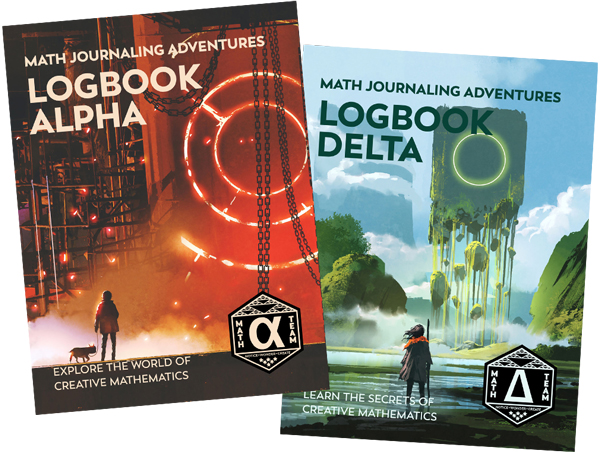
Math Journaling Adventures series by Denise GaskinsThere’s still time to check out my Math Journaling Adventures project and discover how playful writing activities will help your students learn mathematics. Preorder your books today!

Meanwhile, here’s a math puzzle to share with your kids…

Write down any whole number. It can be a single-digit number, or as big as you like. For example:

64,861,287,124,425,928

Now, count up the number of even digits (including zeros), the number of odd digits, and the total number of digits your number contains. Write those counted numbers down in order, like this:

64,861,287,124,425,928
even 12, odd 5, total 17

Continue reading Math Journal: The 1-2-3 Puzzle

Only Two Days Left for Math Journaling Adventures

Math Journaling Adventures series by Denise Gaskins
  • If you’re a parent trying to help your child learn math…
  • Or a teacher looking for creative ideas for your classroom…
  • Or a homeschooling parent hoping to enrich your student’s understanding…

Then you’ll love the Math Journaling Adventures series because these logbooks guide your children to explore mathematics at a deeper level, building a strong foundation to support future learning.

It’s a fun way to enrich any math curriculum, and great for unschoolers, too.

But you have to ACT FAST: The Kickstarter campaign ends in 2 days!

Order Your Copy Today ❯

Continue reading Only Two Days Left for Math Journaling Adventures

Math Journal: Three Quick Number Games

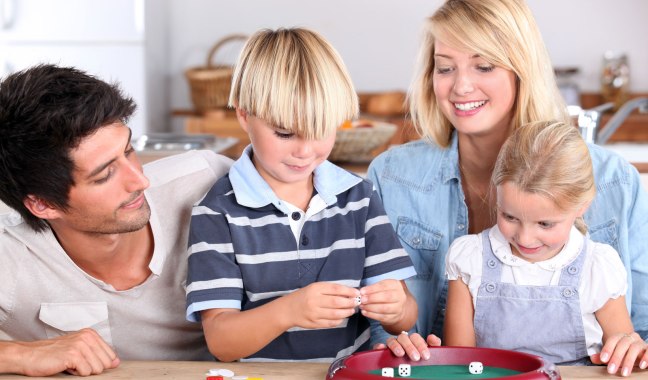
photo of family playing a dice game

Math Journaling Adventures Kickstarter projectHere are three quick math games you can fit in whenever you have a few minutes’ free time. Have fun playing math with your kids!

And if you enjoy these games, check out my Math Journaling Adventures project to discover how similar playful writing activities can help your students learn mathematics. Preorder your books today!

Continue reading Math Journal: Three Quick Number Games

Math Journaling Adventures: It Keeps Getting Better

brother and sister journaling together

Math Journaling Adventures series by Denise GaskinsDid you know that, with our recent stretch goals, each Math Journaling Adventures logbook now features 94 amazing ways to play math with your kids?

And every pledge pushes us closer to the next bonus, which means more new activities for every backer.

Don’t miss out on the excitement. Order your copy today:

Visit the Math Journaling Kickstarter ❱

Continue reading Math Journaling Adventures: It Keeps Getting Better

Math Journal: Playing with My Own Ignorance

photo of a girl wondering about math

Mary Everest Boole, wife of English mathematician George Boole, once described algebra as “thinking logically about the fact of our own ignorance.”

This definition made me chuckle. Like any human being, I am ignorant on many things, but I usually avoid thinking about that.

So I wondered what would happen if I took Mrs. Boole’s advice and tried thinking logically about my ignorance.

How far could I go?

Perhaps you’d like to try this experiment with your children. All you need is a pen and paper or a whiteboard and markers and a bit of curiosity.

Math Journaling Adventures series by Denise GaskinsAnd if you enjoy this exploration, check out my Math Journaling Adventures project to discover how playful writing activities can help your students learn mathematics. Preorder your books today!

Continue reading Math Journal: Playing with My Own Ignorance

Math Adventures Merchandise to Inspire Your Kids

Two girls studying

Math Journaling Adventures series by Denise GaskinsMy new math book series, the Math Journaling Adventures, just launched on Kickstarter.

And I’m trying several new reward options I’ve never done before. (The “rewards” on Kickstarter are all the various things you can buy with your support pledge.)

This is going to be so much fun!

Check it out:

Math Journaling Adventures

Continue reading Math Adventures Merchandise to Inspire Your Kids