On May 5, we celebrate one of the rarest math holidays: Square Root Day, 5/5/25.
Here are a few ideas for playing math with squares and roots.
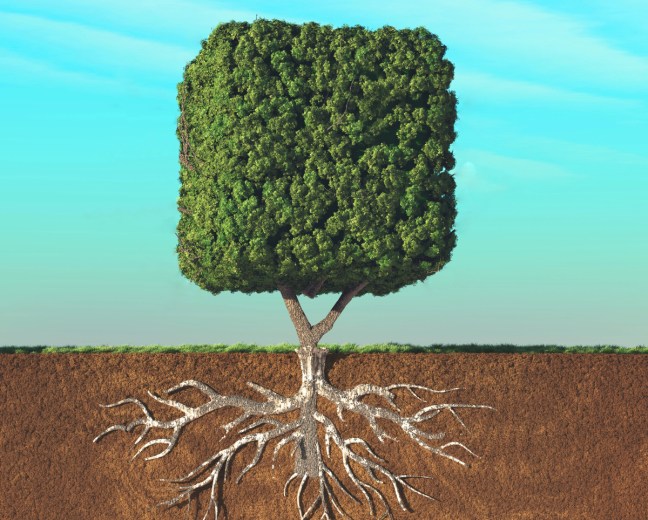
On May 5, we celebrate one of the rarest math holidays: Square Root Day, 5/5/25.
Here are a few ideas for playing math with squares and roots.
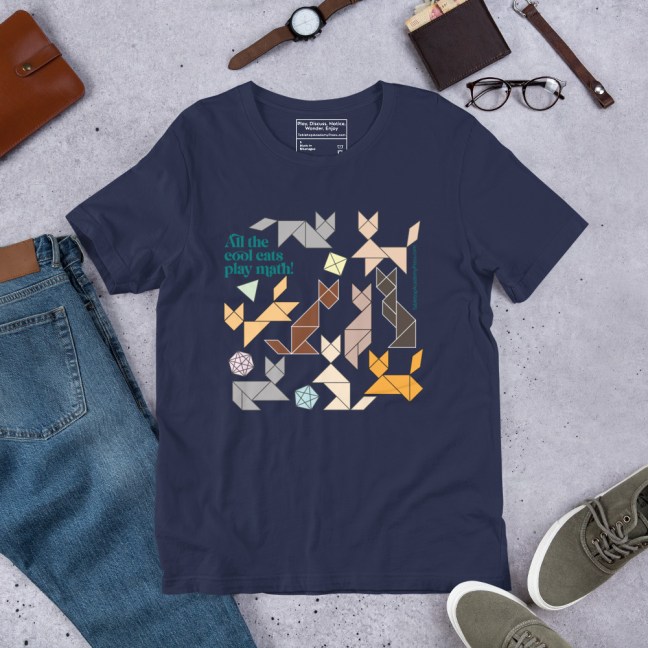
April has been a crazy month here at my little one-person business, which means promotion fell through the cracks.
I try to run a sale on something every month, to give you a reason to drop by my Playful Math Store. And I’m supposed to post blogs and social media about the discount, so nobody misses saving money on something they’ve been waiting for.
This month’s sale was a hefty 20% off every bit of mathy merchandise in the store. Cool T-shirts, fun mugs, handy totebags, and more!
My plan was to offer a big discount before all the tariffs kick in and mess up my pricing, since even items that are produced in the US often use components from overseas, which makes me expect prices to rise over the coming months.

If seven people meet at a party, and each person shakes the hand of everyone else exactly once, how many handshakes are there in all?
Our homeschool co-op held an end-of-semester assembly. Each class was supposed to demonstrate something they had learned.
I threatened to hand out a ten question pop quiz on integer arithmetic, but instead my pre-algebra students presented this skit.
1-3 narrators (or more, if you have a large group)
7 friends (non-speaking parts, adjust to fit your group)
Each friend will need a sheet of paper with a number written on it big and bold enough to be read by the audience. The numbers needed are 0, 1, 2, 3, … up to one less than the number of friends. Each friend keeps his paper in a pocket until needed.
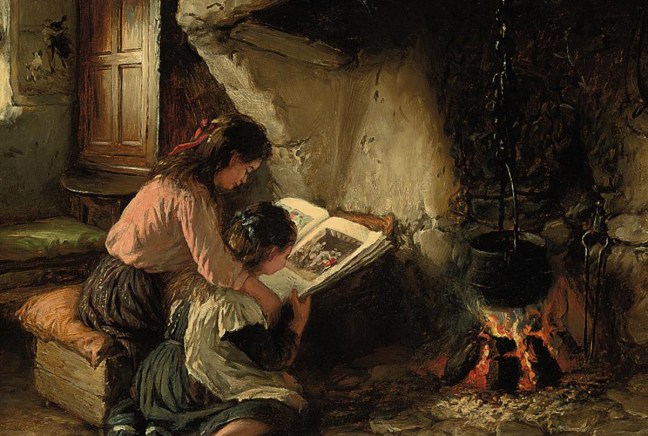
[An addendum to my earlier Charlotte Mason Math series.]
“Our business is to give [children] mind-stuff, and both quality and quantity are essential. Naturally, each of us possesses this mind-stuff only in limited measure, but we know where to procure it; for the best thought the world possesses is stored in books; we must open books to children, the best books; our own concern is abundant provision and orderly serving.”
— Charlotte Mason, Toward A Philosophy of Education
Most homeschool teachers, whatever our curriculum or schooling approach, understand the importance of teaching with living books. We read aloud biographies, historical fiction, or the classics of literature. We scour library shelves for the most creative presentations of scientific topics that interest our children, and encourage our high school students to go back to the original documents whenever possible.
And we teach math with a textbook.
Not that textbooks are inherently bad, because math is an abstract science. We need to meet the ideas — the “mind-stuff” — of math on their own terms, and textbooks can help with that.
But it’s not enough.

When I was in school, math was something each person did on their own for homework, quizzes or tests.
Even when the teacher sent us to work on the chalkboard, each person did their own problem. We would never think to collaborate on math.
To look at someone else’s answer was considered cheating.

One of the best ways we can help our children learn mathematics (or anything else) is to be lifelong learners ourselves.
Here are a few stories to read as you sip your morning brew:
 There’s still time to check out my Math Journaling Adventures project and discover how playful writing activities will help your students learn mathematics. Preorder your books today!
Meanwhile, here’s a math puzzle to share with your kids…
Write down any whole number. It can be a single-digit number, or as big as you like. For example:
64,861,287,124,425,928
Now, count up the number of even digits (including zeros), the number of odd digits, and the total number of digits your number contains. Write those counted numbers down in order, like this:
64,861,287,124,425,928
even 12, odd 5, total 17
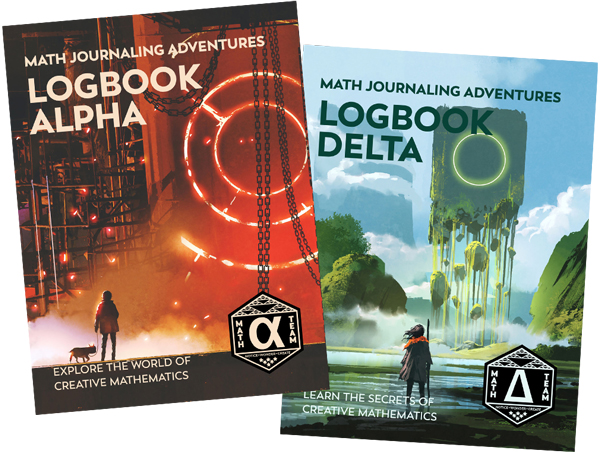
Then you’ll love the Math Journaling Adventures series because these logbooks guide your children to explore mathematics at a deeper level, building a strong foundation to support future learning.
It’s a fun way to enrich any math curriculum, and great for unschoolers, too.
But you have to ACT FAST: The Kickstarter campaign ends in 2 days!
Continue reading Only Two Days Left for Math Journaling Adventures

I have a new podcast interview, and I think you’ll enjoy it!
Check out Cindy Rollins’s The New Mason Jar on your favorite podcast app, or listen on the website:
Here’s an excerpt…
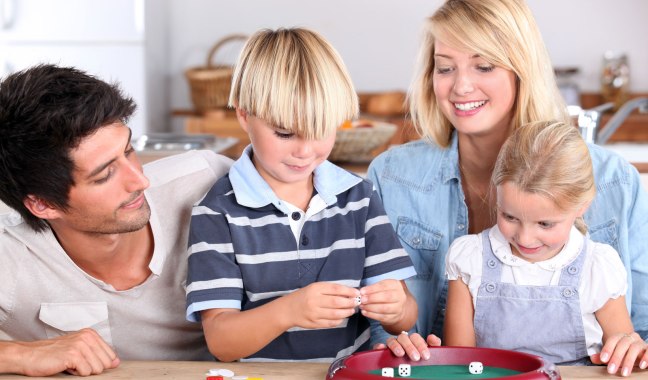
 Here are three quick math games you can fit in whenever you have a few minutes’ free time. Have fun playing math with your kids!
And if you enjoy these games, check out my Math Journaling Adventures project to discover how similar playful writing activities can help your students learn mathematics. Preorder your books today!

