Charlotte Mason’s Living Math Now in Print!

Charlotte Mason's Living Math Kickstarter

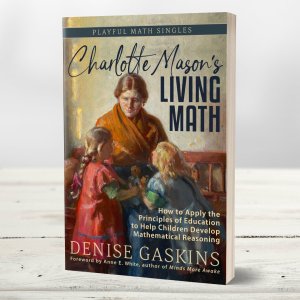
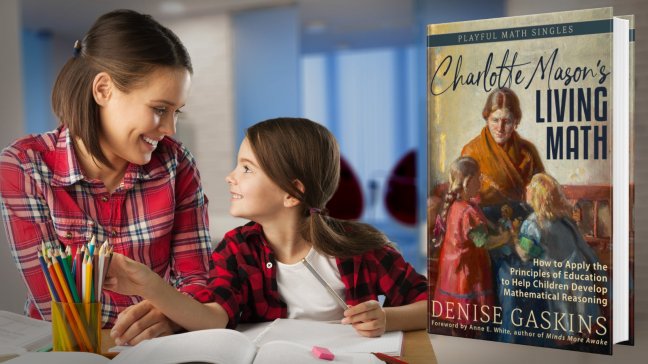
Charlotte Mason's Living Math book by Denise Gaskins, paperbackThe long-awaited deluxe, full-color edition of Charlotte Mason’s Living Math is now available exclusively on my Playful Math Store in paperback and hardcover (and ebook, too).

Hooray!

If you’d like to know more about the book, check out my interview with Cindy Rollins on The New Mason Jar podcast:

Continue reading Charlotte Mason’s Living Math Now in Print!

Four Stages of Learning Math (or Anything Else)

young girl doing math homework

Book, Charlotte Mason's Living MathThe following is an excerpt from Charlotte Mason’s Living Math, coming to your favorite bookstore or library this November.

But if you’re impatient—or if you want the exclusive, deluxe, full-color paperback or hardcover edition—you can order your copy now on my Playful Math Store.

This section comes from the chapter called “How Shall We Teach?” which also includes tips about textbooks, a little-known truth about the math facts, and what to do if you never understood math yourself.

Continue reading Four Stages of Learning Math (or Anything Else)

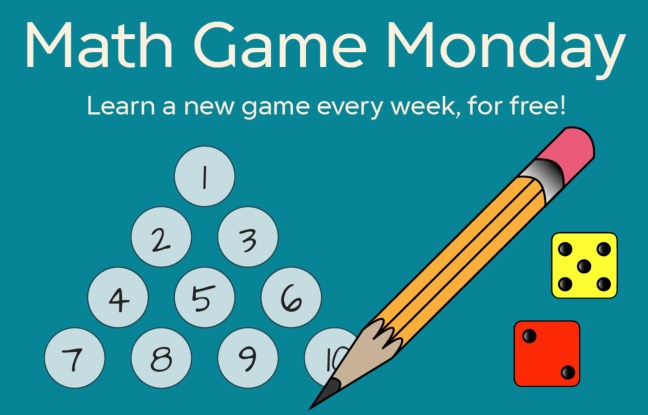
Math Game Monday: Bowling

Learn a new math game every week, for free

This game builds calculations skills and helps develop fluency.

Many parents remember struggling to learn math. We hope to provide a better experience for our children. And one of the best ways for children to enjoy learning is through hands-on play.

So what are you waiting for? Let’s play some math!

Bowling

Math Concepts: addition, subtraction, multistep calculation, column addition (for final score).

Players: any number.

Equipment: one deck of playing cards (face cards and jokers removed), game board, ten tokens for covering numbers, pencil or pen, and (optional) scratch paper for adding up the scores.

Continue reading Math Game Monday: Bowling

Thinking Thursday: W.S. Anglin

Thinking Thursday math journal prompt

Writing to Learn Math: What did the author mean? Put the thought in your own words. Do you agree or disagree? Why?

Do you want your children to develop the ability to reason creatively and figure out things on their own?

Help kids practice slowing down and taking the time to fully comprehend a math topic or problem-solving situation with these classic tools of learning: Notice. Wonder. Create.

Continue reading Thinking Thursday: W.S. Anglin

Probability Puzzles with Obsolete Coins

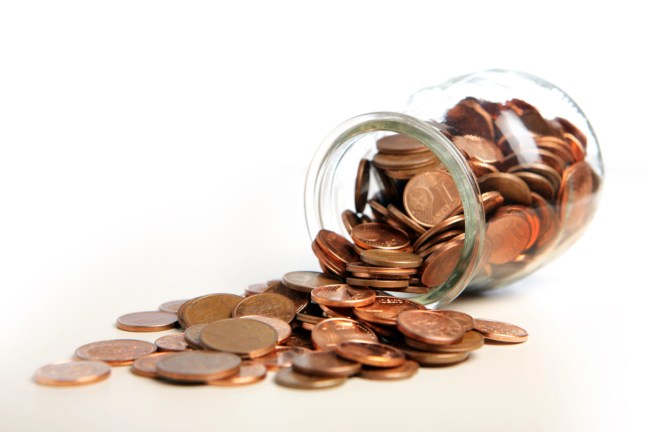
jar of coins

I love math puzzles, and Henry Ernest Dudeney is the foremost puzzlemeister of all time.

Whenever I need a diversion from the pressing day-to-day busyness of life, I like to crack open one of his books. And get humbled. He stumps me as often as not, but I enjoy the challenge.

Today, I’ve got two of his somewhat-easier puzzles from Amusements in Mathematics, dealing with the probability of obsolete coins tossed or pulled from a bag.

Okay, so the penny isn’t obsolete quite yet, even though the US government quit making them. But the “penny” in these puzzles is the old British pence, which went out of date seemingly ages ago, along with all the other non-decimal coins that made old math puzzles so confusing.

Probability puzzles are great for middle school students because the arithmetic itself is simple. The challenge is in figuring out exactly what calculation to do.

Have fun playing math with your kids!

Continue reading Probability Puzzles with Obsolete Coins
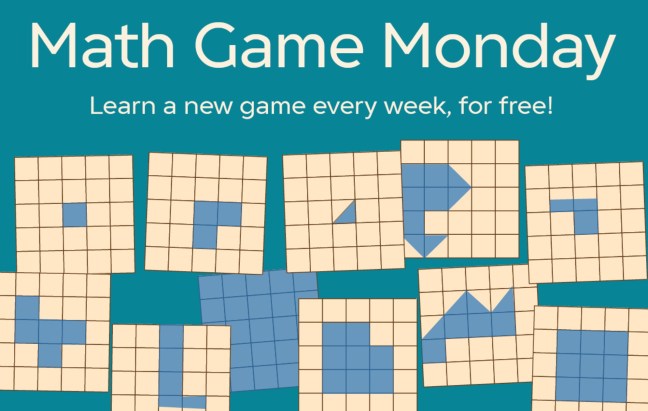
Math Game Monday: Area Battle

Learn a new math game every week, for free

This game pushes students to consider area and perimeter beyond the basic shapes.

Many parents remember struggling to learn math. We hope to provide a better experience for our children. And one of the best ways for children to enjoy learning is through hands-on play.

So what are you waiting for? Let’s play some math!

Area Battle

Math Concepts: area, square units, perimeter, regular and irregular polygons.

Players: two to four.

Equipment: homemade game cards, pencils or markers.

Continue reading Math Game Monday: Area Battle

Thinking Thursday: Number Race

Thinking Thursday math journal prompt

Writing to Learn Math: Measurement is our way of connecting numbers to the things we find in the world, in daily life.

Do you want your children to develop the ability to reason creatively and figure out things on their own?

Help kids practice slowing down and taking the time to fully comprehend a math topic or problem-solving situation with these classic tools of learning: Notice. Wonder. Create.

Continue reading Thinking Thursday: Number Race

Dragons, Gryphons, and Math Mistakes

statue of a gryphon

Let's Play Math by Denise GaskinsThis post is adapted from my book Let’s Play Math: How Families Can Learn Math Together—and Enjoy It.

Do you ever take your kids’ math tests? It helps me remember what it is like to be a student. I push myself to work quickly, trying to finish in about 1/3 the allotted time, to mimic the pressure students feel. And whenever I do this, I find myself prone to the same stupid mistakes that students make.

Even teachers are human.

Continue reading Dragons, Gryphons, and Math Mistakes

Thinking Thursday: Success

Thinking Thursday math journal prompt

Writing to Learn Math: You can spark creative thought by removing any need to worry about spelling or punctuation rules.

Do you want your children to develop the ability to reason creatively and figure out things on their own?

Help kids practice slowing down and taking the time to fully comprehend a math topic or problem-solving situation with these classic tools of learning: Notice. Wonder. Create.

Continue reading Thinking Thursday: Success

Conversion Factors: How Old Are You in Nanoseconds?

birthday cupcake with sparkler

Homeschool Memories

[Based on a problem I made up for my co-op students, once upon a time…]

Conversion factors are special fractions that contain problem-solving information. Why are they called conversion factors?

  • “Conversion” means change, and conversion factors help you change the numbers and units in your problem.
  • “Factors” are things you multiply with. So to use a conversion factor, you will multiply it by something.

Continue reading Conversion Factors: How Old Are You in Nanoseconds?