The Math Student’s Manifesto

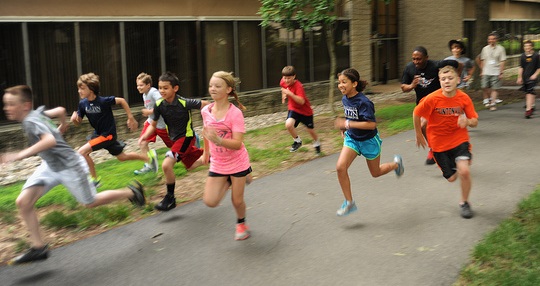
[Feature photo above by Texas A&M University (CC BY 2.0) via Flickr.]

Note to Readers: Please help me improve this list! Add your suggestions or additions in the comment section below…

What does it mean to think like a mathematician? From the very beginning of my education, I can do these things to some degree. And I am always learning to do them better.

(1) I can make sense of problems, and I never give up.

  • I always think about what a math problem means. I consider how the numbers are related, and I imagine what the answer might look like.
  • I remember similar problems I’ve done before. Or I make up similar problems with smaller numbers or simpler shapes, to see how they work.
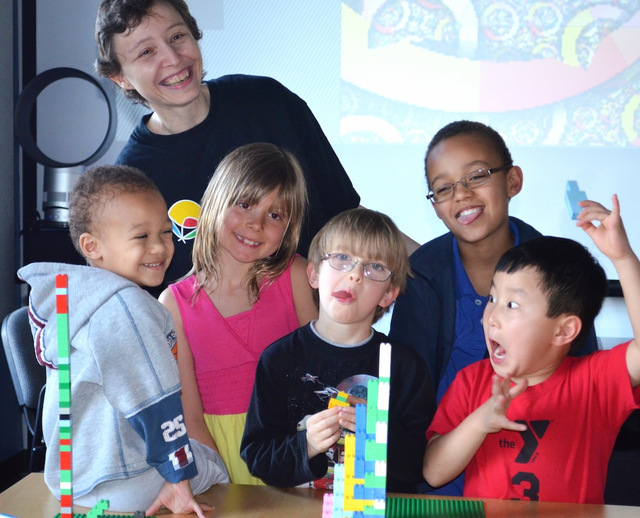
  • I often use a drawing or sketch to help me think about a problem. Sometimes I even build a physical model of the situation.
  • I like to compare my approach to the problem with other people and hear how they did it differently.

Continue reading The Math Student’s Manifesto

Roadmap to Mathematics: 3rd Grade

roadmap3

A frequently-asked question on homeschooling forums is, “Are my children working at grade level? What do they need to know?”

The Council of the Great City Schools has published a handy 6-page pdf summary of third grade math concepts, with suggestions for how parents can support their children’s learning:

Whether you are a radical unschooler or passionately devoted to your textbook — or, like me, somewhere in between — you can help your children toward these grade-level goals by encouraging them to view mathematics as mental play. Don’t think of the standards as a “to do” list, but as your guide to an adventure of exploration. The key to learning math is to see it the mathematician’s way, as a game of playing with ideas.

The following are excerpts from the roadmap document (along with a few extra tips) and links to related posts from the past eight years of playing with math on this blog…

Continue reading Roadmap to Mathematics: 3rd Grade

Roadmap to Mathematics: 2nd Grade

roadmap2

A frequently-asked question on homeschooling forums is, “Are my children working at grade level? What do they need to know?”

The Council of the Great City Schools has published a handy 6-page pdf summary of second grade math concepts, with suggestions for how parents can support their children’s learning:

Whether you are a radical unschooler or passionately devoted to your textbook — or, like me, somewhere in between — you can help your children toward these grade-level goals by encouraging them to view mathematics as mental play. Don’t think of the standards as a “to do” list, but as your guide to an adventure of exploration. The key to learning math is to see it the mathematician’s way, as a game of playing with ideas.

The following are excerpts from the roadmap document (along with a couple of extra tips) and links to related posts from the past eight years of playing with math on this blog…

Continue reading Roadmap to Mathematics: 2nd Grade

Roadmap to Mathematics: 1st Grade

[Feature photo (above) by woodleywonderworks. (CC BY 2.0 via Flickr)]

roadmap1

A frequently-asked question on homeschooling forums is, “Are my children working at grade level? What do they need to know?”

The Council of the Great City Schools has published a handy 6-page pdf summary of first grade math concepts, with suggestions for how parents can support their children’s learning:

Whether you are a radical unschooler or passionately devoted to your textbook — or, like me, somewhere in between — you can help your children toward these grade-level goals by encouraging them to view mathematics as mental play. Don’t think of the standards as a “to do” list, but as your guide to an adventure of exploration. The key to learning math is to see it the mathematician’s way, as a game of playing with ideas.

The following are excerpts from the roadmap document, along with links to related posts from the past eight years of playing with math on this blog…

Continue reading Roadmap to Mathematics: 1st Grade

Roadmap to Mathematics: Kindergarten

[Feature photo (above) by MIKI Yoshihito. (CC BY 2.0 via Flickr)]

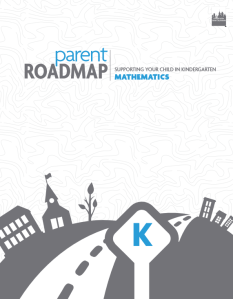
RoadmapK

A frequently-asked question on homeschooling forums is, “Are my children working at grade level? What do they need to know?”

The Council of the Great City Schools has published a handy 6-page pdf summary of kindergarten math concepts, with suggestions for how parents can support their children’s learning:

Whether you are a radical unschooler or passionately devoted to your textbook — or, like me, somewhere in between — you can help your children toward these grade-level goals by encouraging them to view mathematics as mental play. Don’t think of the standards as a “to do” list, but as your guide to an adventure of exploration. The key to learning math is to see it the mathematician’s way, as a game of playing with ideas.

The following are excerpts from the roadmap document, along with links to related posts from the past eight years of playing with math on this blog…

Continue reading Roadmap to Mathematics: Kindergarten

Math Teachers at Play #79: Puzzles and Games

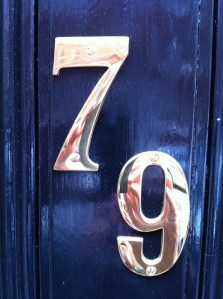
79

[Feature photo above by Jimmie, and “79” image (right) by Steve Bowbrick via flickr (CC BY 2.0).]

Do you enjoy math? I hope so! If not, browsing this post just may change your mind.

Welcome to the 79th edition of the Math Teachers At Play (MTaP) math education blog carnival — a smorgasbord of links to bloggers all around the internet who have great ideas for learning, teaching, and playing around with math from preschool to pre-college.

Let the mathematical fun begin!

By tradition, we start the carnival with a puzzle, game, or trivia tidbits. If you would like to jump straight to our featured blog posts, click here to see the Table of Contents.

Since I’ve been spending all my free time working on my upcoming Math You Can Play book series, I’m in the mood for games. So I found a few games featuring prime and nonprime numbers [which category is #79 — do you know?], and I’ll sprinkle some of my best-loved math game books throughout the carnival.

Continue reading Math Teachers at Play #79: Puzzles and Games

Math Teachers at Play #76

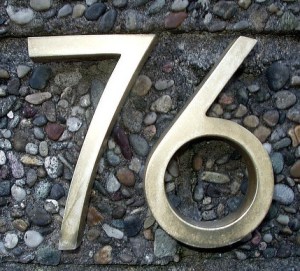
76[Feature photo (above) by U.S. Army RDECOM. Photo (right) by Stephan Mosel. (CC BY 2.0)]

On your mark… Get set… Go play some math!

Welcome to the 76th edition of the Math Teachers At Play math education blog carnival — a smorgasbord of links to bloggers all around the internet who have great ideas for learning, teaching, and playing around with math from preschool to pre-college.

By tradition, we start the carnival with a puzzle in honor of our 76th edition. But if you would like to jump straight to our featured blog posts, click here to see the Table of Contents.

Continue reading Math Teachers at Play #76

Playing With Math — the Book

body_Book_cover_for_upload

Update: The crowdfunding campaign is now closed and the book is in the final stages. It should be headed to the printer soon. Check the Playing With Math homepage for publication and ordering information.


There are only a few days left to reserve your copy of Playing With Math: Stories from Math Circles, Homeschoolers, and Passionate Teachers. I don’t have time to finish the review I hoped to write, so instead I’ll share some of my favorite quotes from the book:

What do mathematicians do? We play with math. What are little kids doing when they’re thinking about numbers, shapes, and patterns? They’re playing with math. You may not believe it yet, but you can have fun playing with math, too.

— Sue VanHattum, editor

We had a discussion at the end of the club on how we are all confused now, but pleasantly so, and how important it is to rejoice in confusion and to be comfortable with it. Adults often strive very hard to get rid of any and all possible traces of confusion for kids, making things dreadfully boring.

— Maria Droujkova, after a math circle exploration of infinity

All it talkes to do mathematics is opportunity, a frustrating problem, and a bit of stubbornness.

— Ellen Kaplan, math circle leader

Our own school experiences can make it hard for us to teach without being tempted to “help them master” a concept that they may or may not be ready to master. What we never learned in school was the concept of playing around with math, allowing ideas to “percolate,” so to speak, before mastery occurs, and that process may take time.

— Julie Brennan, homeschooler

Continue reading Playing With Math — the Book

Quotable: Math Connections

ConnectedGearsJoBoaler

It turns out that the people who do well in math are those who make connections and see math as a connected subject. The people who don’t do well are people who see math as a lot of isolated methods.

— Jo Boaler
Math Connections

If you or your children struggle with math, Boaler’s non-profit YouCubed.org may help you recover your joy in learning.

Playing With Math: Stories from Math Circles, Homeschoolers, and Passionate Teachers

body_Book_cover_for_upload

Update: The crowdfunding campaign is now closed and the book is in the final stages. It should be headed to the printer soon. Check the Playing With Math homepage for publication and ordering information.


There’s a problem: Most people don’t like math. Why is that? Perhaps it has something to do with the way math is taught in school. As a teacher to my own kids and mentor to homeschooling parents, I’ve been fighting math anxiety for decades.

This book is one part of the solution.

Playing With Math: Stories from Math Circles, Homeschoolers, and Passionate Teachers features more than thirty authors who tell delightful stories of learning to appreciate math and of sharing their enthusiasm with their communities, families, or students. After every chapter is a puzzle, game, or activity to get you and your kids playing with math, too.

You can read a couple of excerpts at PlayingWithMath.org:

Continue reading Playing With Math: Stories from Math Circles, Homeschoolers, and Passionate Teachers