Mental Math: Addition

[Photo by woodleywonderworks.]

The question came from a homeschool forum, though I’ve reworded it to avoid plagiarism:

My student is just starting first grade, but I’ve been looking ahead and wondering: How will we do big addition problems without using pencil and paper? I think it must have something to do with number bonds. For instance, how would you solve a problem like 27 + 35 mentally?

The purpose of number bonds is that students will be comfortable taking numbers apart and putting them back together in their heads. As they learn to work with numbers this way, students grow in understanding — some call it “number sense” — and develop a confidence about math that I often find lacking in children who simply follow the steps of an algorithm.

[“Algorithm” means a set of instructions for doing something, like a recipe. In this case, it means the standard, pencil and paper method for adding numbers: Write one number above the other, then start by adding the ones column and work towards the higher place values, carrying or “renaming” as needed.]

For the calculation you mention, I can think of three ways to take the numbers apart and put them back together. You can choose whichever method you like, or perhaps you might come up with another one yourself…
Continue reading Mental Math: Addition

Quilt: What Can You Do with This?


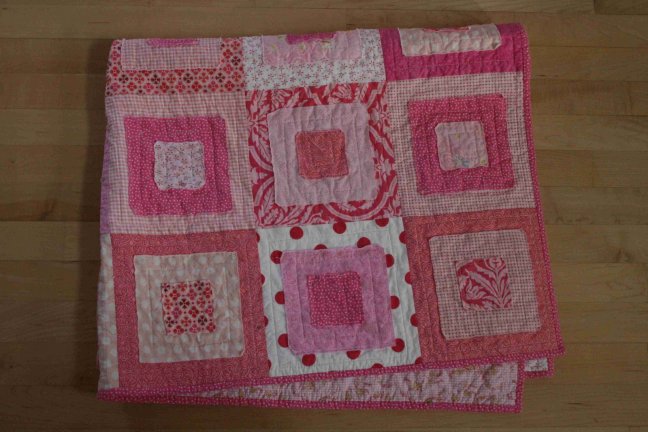
[Ragged Squares Quilt photos used with permission from Crazy Mom Quilts.]

I know other teachers have done math quilts, but I’ve never gotten around to trying it in any of my classes. Still, this image caught my eye and practically begged me to make it into a math lesson for my elementary math club.

I thought of at least two ways I could go with this, but I bet that if we put our brains together, we can come up with even more creative ideas. So here’s the question, ala Dan Meyer:

  • What can you do with this?

How could you use this image as a springboard to doing math? What questions would you ask? What concepts would you try to get across? What would you follow it with? Please comment!

Other photos are available…

Continue reading Quilt: What Can You Do with This?

Math Facts: 5 Minutes a Day

free-rice-image

Y of x reminded me about one of my old favorite websites for math fact practice with a purpose:

5-10 minutes of daily practice will cement the math facts in your student’s mind, while at the same time doing a good deed. For each correct answer, a Free Rice sponsor donates a very small amount of rice to feed hungry people worldwide through the UN World Food Program.

Even very small amounts of rice add up. Since Free Rice started in 2007, its sponsors have bought more than 63 billion grains of rice, just by paying for one right answer click at a time.

You and your students can practice other topics as well:

Continue reading Math Facts: 5 Minutes a Day

Can You Read the Flu Map?

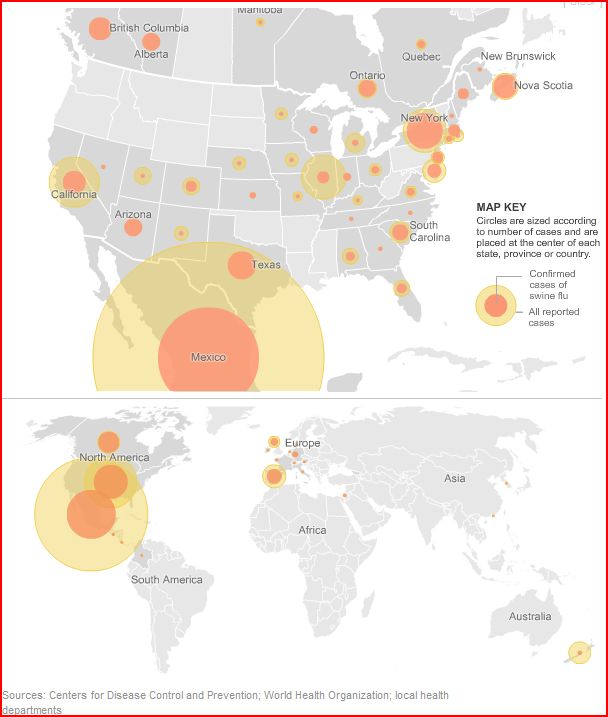
swine-flu-map-with-circles
[Map as of early afternoon on May 4th, found at the NY Times.]

Compare the dark circles (confirmed cases) for Mexico, New York and Nova Scotia in the top part, or Mexico and the U.S. in the lower part of the map. It’s easy to see which has more cases of the flu — but how many more? Which would you guess is the closest estimate:

Mexico : New York : Nova Scotia

  • = 7:3:2 or 20:5:3 or 16:2:1?

U.S. : Mexico

  • = 1:2 or 2:5 or 3:7?

Continue reading Can You Read the Flu Map?

Tangrams and Other Dissection Puzzles

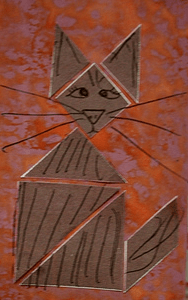
tangram-cat[Photo by jimmiehomeschoolmom.]

One of the things I meant to do with my elementary math class (the one that got canceled due to low enrollment):

And then we would play around with Tangram puzzles, and perhaps make up a few of our own.

Continue reading Tangrams and Other Dissection Puzzles

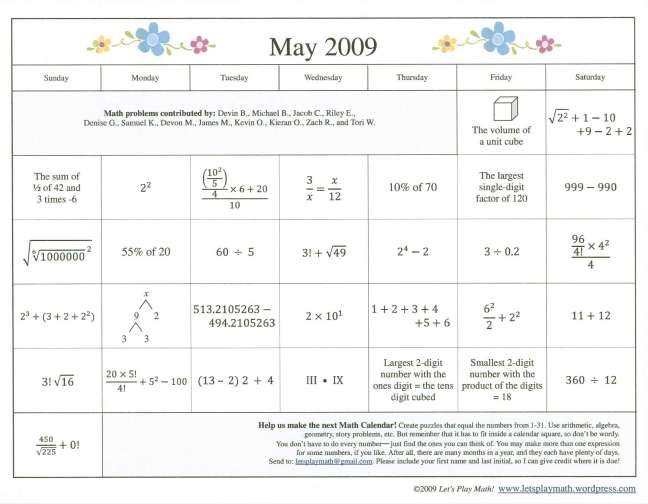
Kids’ Project: More Math Calendars?

tulips-by-kuzeytac[Photo by Kuzeytac.]

Several people enjoyed the April calendar and asked if there would be a May version. Unfortunately, my homeschool co-op classes are out until next fall, so I don’t have enough kids to make up problems for me. But if your children would like to send in some puzzles, I will be glad to put another calendar together. If we get enough participation, we could have calendars every month for the rest of the year!

Continue reading Kids’ Project: More Math Calendars?

Free: Calculus Student’s Best Friend

calculus-made-easy

Considering how many fools can calculate, it is surprising that it should be thought either a difficult or a tedious task for any other fool to learn how to master the same tricks… Being myself a remarkably stupid fellow, I have had to unteach myself the difficulties, and now beg to present to my fellow fools the parts that are not hard. Master these thoroughly, and the rest will follow. What one fool can do, another can.

Silvanus P. Thompson

For years, I have recommended Calculus Made Easy as summer reading (and future reference) for high school or college students headed into a calculus course — and for the parents of those students, who may have studied calculus in ages past and now need to dredge out the dust bunnies of memory so they can help with homework.

The original book (second edition) is now out of copyright and available for free online:

[Hat tip to Sam and Michael for finding the Scribd version, which set me off searching for a clearer copy.]

Puzzle: Factoring Trinomials

Factoring Puzzle

My high school class ended the year with a review of multiplying and factoring simple polynomials. We played this matching game, and then I gave them a puzzle worksheet. I liked this idea, but I didn’t like the decoded answer. In my opinion, puzzles should give the student a “reward” for solving them — maybe a joke or riddle or something — but that answer seemed almost like nagging.

So I changed things around to make my own version:

Continue reading Puzzle: Factoring Trinomials