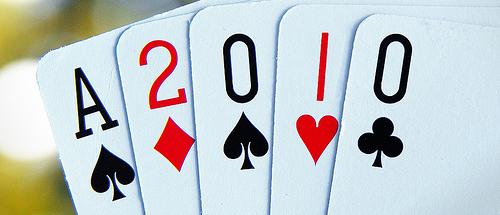
2010 Mathematics Game


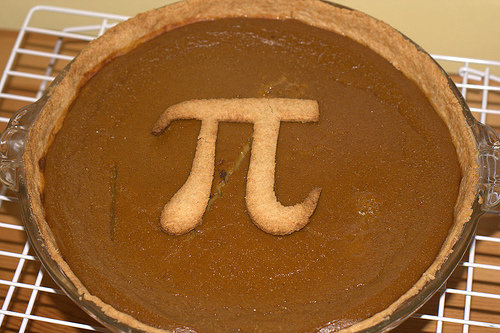
[Photo by pfala.]

Did you know that playing games is one of the Top 10 Ways To Improve Your Brain Fitness? So slip into your workout clothes and pump up those mental muscles with the 2010 Mathematics Game!

Here are the rules:

Use the digits in the year 2010 to write mathematical expressions for the counting numbers 1 through 100.

  • All four digits must be used in each expression. You may not use any other numbers except 2, 0, 1, and 0.
  • You may use the arithmetic operations +, -, x, ÷, sqrt (square root), ^ (raise to a power), and ! (factorial). You may also use parentheses, brackets, or other grouping symbols.
  • You may use a decimal point to create numbers such as .1, .02, etc.
  • Multi-digit numbers such as 20 or 102 may be used, but preference is given to solutions that avoid them.

Bonus Rule
You may use the overhead-bar (vinculum), dots, or brackets to mark a repeating decimal.

[Note to teachers: This rule is not part of the Math Forum guidelines. It makes a significant difference in the number of possible solutions, however, and it should not be too difficult for high school students or advanced middle schoolers.]
Continue reading 2010 Mathematics Game

Cardstock Geometry Puzzle

While browsing the Kim Komando website for ideas I could use in my blogging class, I followed a rabbit trail through Kim’s video archive. I think we will try this in Math Club next semester:

If the embedded video doesn’t work on your computer, you can find the original here: Unbelievable Paper Transformer.

Update

Simon posted a template for the puzzle at his MathsClass blog.

Quilt: What Can You Do with This?


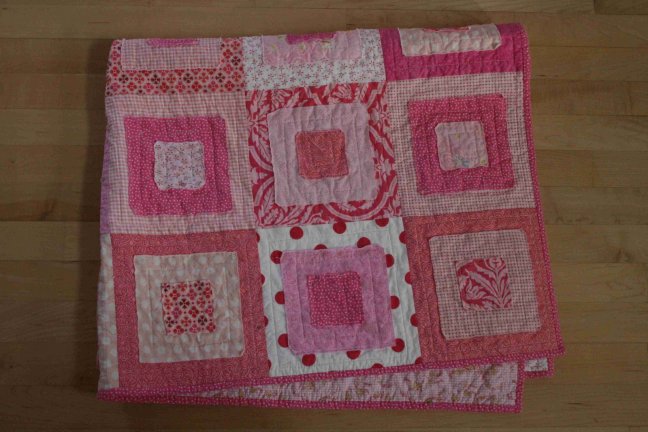
[Ragged Squares Quilt photos used with permission from Crazy Mom Quilts.]

I know other teachers have done math quilts, but I’ve never gotten around to trying it in any of my classes. Still, this image caught my eye and practically begged me to make it into a math lesson for my elementary math club.

I thought of at least two ways I could go with this, but I bet that if we put our brains together, we can come up with even more creative ideas. So here’s the question, ala Dan Meyer:

  • What can you do with this?

How could you use this image as a springboard to doing math? What questions would you ask? What concepts would you try to get across? What would you follow it with? Please comment!

Other photos are available…

Continue reading Quilt: What Can You Do with This?

Tangrams and Other Dissection Puzzles

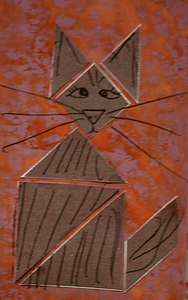
tangram-cat[Photo by jimmiehomeschoolmom.]

One of the things I meant to do with my elementary math class (the one that got canceled due to low enrollment):

And then we would play around with Tangram puzzles, and perhaps make up a few of our own.

Continue reading Tangrams and Other Dissection Puzzles

Kids’ Project: More Math Calendars?

tulips-by-kuzeytac[Photo by Kuzeytac.]

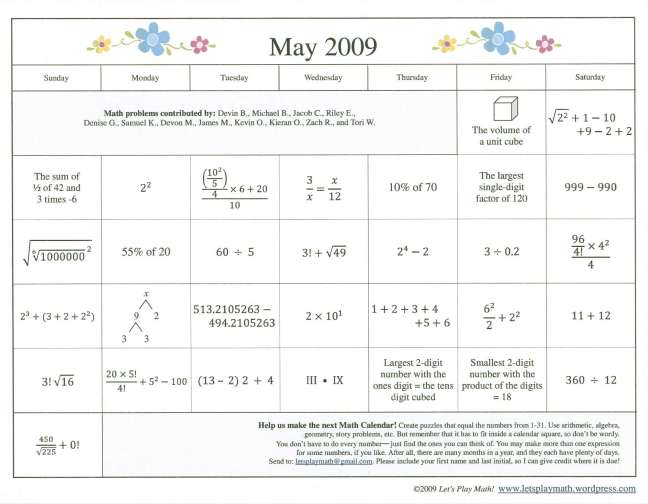
Several people enjoyed the April calendar and asked if there would be a May version. Unfortunately, my homeschool co-op classes are out until next fall, so I don’t have enough kids to make up problems for me. But if your children would like to send in some puzzles, I will be glad to put another calendar together. If we get enough participation, we could have calendars every month for the rest of the year!

Continue reading Kids’ Project: More Math Calendars?

Puzzle: Factoring Trinomials

Factoring Puzzle

My high school class ended the year with a review of multiplying and factoring simple polynomials. We played this matching game, and then I gave them a puzzle worksheet. I liked this idea, but I didn’t like the decoded answer. In my opinion, puzzles should give the student a “reward” for solving them — maybe a joke or riddle or something — but that answer seemed almost like nagging.

So I changed things around to make my own version:

Continue reading Puzzle: Factoring Trinomials

April Math Calendar

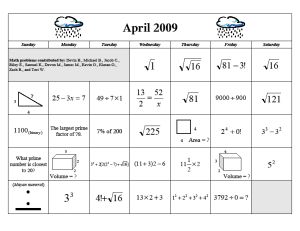
april-math-calendar

My homeschool co-op classes had a lot of fun creating this April calendar to hand out at our end-of-semester party on Friday. It’s not as easy to read as a traditional calendar — it is more like a puzzle. The expression in each square simplifies to that day’s date, so families can treat each day like a mini-review quiz: “Do you remember how to calculate this?”

Download your own copy:

If you’ve been wanting to start your own math club, you will find plenty of helpful ideas here:

Update

Check out my May Math Calendar post for more ideas about how to use these puzzles.

 
* * *

This blog is reader-supported.

If you’d like to help fund the blog on an on-going basis, then please join me on Patreon for mathy inspiration, tips, and an ever-growing archive of printable activities.

If you liked this post, and want to show your one-time appreciation, the place to do that is PayPal: paypal.me/DeniseGaskinsMath. If you go that route, please include your email address in the notes section, so I can say thank you.

Which I am going to say right now. Thank you!

“April Math Calendar” copyright © 2009 by Denise Gaskins.

Math Game: Logarithm War

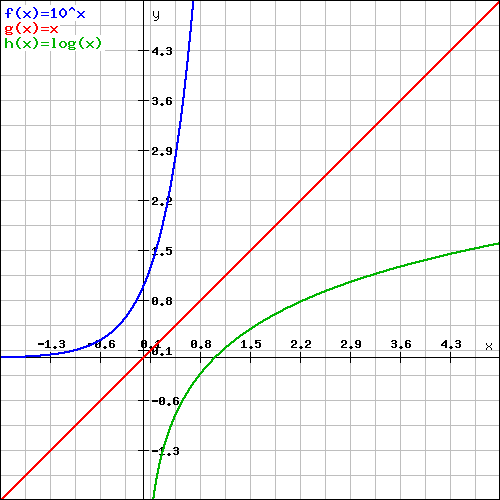
[Graph created at Draw Function Graphs.]

Kate at f(t) took my popular Math War game to a new level by making a set of Logarithm War cards. Cool! Download a deck for yourself:

Update

Logs and Trig War—Jim Pai extended Kate’s logarithm war to include trig functions. Double the cards, double the fun! Download from Jim’s blog: War: what is it good for?